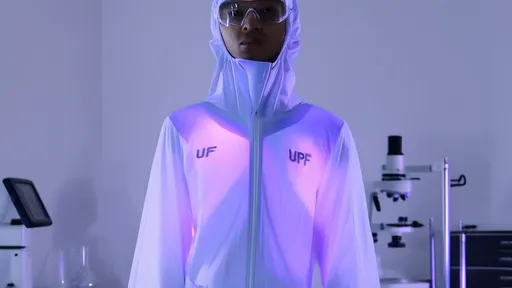
As summer approaches and outdoor activities beckon, the quest for effective sun protection becomes paramount. Among the myriad options available, sun-protective clothing has surged in popularity, marketed as a convenient and reliable shield against harmful ultraviolet radiation. But how well do these garments truly perform under the harsh scrutiny of ultraviolet light? To answer this, we conducted a series of tests using specialized UV lamps to evaluate the efficacy of various sun-protective fabrics, examining not just the promised UPF ratings but the real-world performance that consumers can expect when donning these modern armors against the sun.
Our testing methodology was designed to replicate the conditions that these garments would face during peak sun exposure. We utilized a calibrated UV-A and UV-B lamp system, which emits wavelengths between 280 to 400 nanometers, covering the full spectrum of ultraviolet radiation that reaches the Earth's surface. Each garment was stretched over a sensor-equipped mannequin torso to simulate how it would sit on human skin, accounting for factors like stretch and fit that can influence protection. We tested a range of products, from high-end specialty brands to more affordable options found in mainstream stores, all claiming UPF 50+ protection—the highest rating available, indicating that only 1/50th of UV radiation can penetrate the fabric.
The results were both enlightening and, in some cases, surprising. The majority of the sun-protective clothing lived up to their claims, effectively blocking over 98% of UV radiation when new and unstretched. However, when we applied tension to mimic the pulling and stretching that occurs during movement—like reaching arms overhead or bending—the performance of some fabrics notably declined. For instance, a popular lightweight jacket showed a slight reduction in protection around the shoulders and elbows, areas typically subjected to more stress. This underscores the importance of considering not just the fabric's innate properties but also its design and how it interacts with the body during use.
We also examined the impact of moisture on UV protection, a critical factor for those engaging in sports or activities that induce sweating. Many manufacturers claim that their fabrics maintain or even enhance protection when wet, a feature often attributed to the tightening of fibers or specific chemical treatments. Our tests confirmed this for most items; a technical long-sleeved shirt designed for runners actually showed a marginal improvement in blocking efficiency when damp, likely due to the fabric's construction swelling slightly and closing gaps between threads. Conversely, a budget-friendly option exhibited a small decrease in performance, suggesting that not all wet-proof claims are created equal.
Durability over time and after washing is another crucial aspect. Repeated laundering can degrade the UV-protective coatings or cause fabric thinning, potentially reducing effectiveness. We subjected a selection of garments to multiple wash cycles—following care labels precisely—and retested them under the UV lamp. High-quality items, often incorporating UV-blocking agents directly into the yarn rather than as a surface treatment, maintained their integrity impressively, showing negligible loss in protection even after 20 washes. On the other hand, some lower-cost alternatives demonstrated a gradual decline, emphasizing that investment in well-constructed gear may pay off in longevity and sustained safety.
Color and weave density emerged as significant factors influencing UV protection. Darker colors, particularly black and navy blue, consistently outperformed lighter shades like white or pastels, as they absorb more UV radiation rather than allowing it to pass through. Similarly, tightly woven fabrics proved superior to looser knits, which is why many sun-protective garments feel denser and less breathable than typical summer wear. However, advancements in textile technology have led to the development of lightweight, breathable fabrics that still offer high protection through innovative weaving techniques and embedded minerals like titanium dioxide, which scatter and reflect UV rays without adding weight.
Beyond the fabric itself, the design elements of sun-protective clothing play a pivotal role in overall efficacy. Features such as thumb holes to pull sleeves over the hands, high collars to shield the neck, and integrated face masks or hoods provide additional barriers where skin is often exposed. Our tests showed that garments with these comprehensive designs offered more consistent full-body protection compared to basic styles, which might leave gaps. For example, a jacket with a well-designed hood and adjustable cuffs prevented UV leakage at vulnerable points, whereas a simple pullover without these features allowed some radiation to reach the skin around the wrists and lower face.
It is also worth noting the psychological aspect: wearing sun-protective clothing can create a false sense of security. While these garments are highly effective, they are not impervious. Areas not covered—like the face, hands, and ankles—still require sunscreen. Moreover, no clothing can block 100% of UV radiation; even the best allow a tiny fraction through. Therefore, a holistic approach to sun safety, combining protective clothing with broad-spectrum sunscreen, hats, and seeking shade during peak hours, remains the gold standard for preventing sun damage and reducing skin cancer risk.
In conclusion, our ultraviolet lamp tests reveal that sun-protective clothing is generally a trustworthy and effective tool in the arsenal against UV exposure, particularly when selected with care. Consumers should look for reputable brands that disclose detailed testing data, prioritize garments with thoughtful design features that minimize gaps, and consider factors like color, fit, and fabric technology. While price can be an indicator of quality and durability, it is not the sole determinant; some mid-range options performed excellently in our assessments. Ultimately, informed choices based on rigorous independent testing, like the one conducted here, can empower individuals to enjoy the sun safely and responsibly.

By /Aug 26, 2025
By /Aug 26, 2025
By /Aug 26, 2025

By /Aug 26, 2025

By /Aug 26, 2025

By /Aug 26, 2025

By /Aug 26, 2025

By /Aug 26, 2025

By /Aug 26, 2025
By /Aug 26, 2025

By /Aug 26, 2025

By /Aug 26, 2025

By /Aug 26, 2025
By /Aug 26, 2025

By /Aug 26, 2025

By /Aug 26, 2025

By /Aug 26, 2025

By /Aug 26, 2025

By /Aug 26, 2025

By /Aug 26, 2025