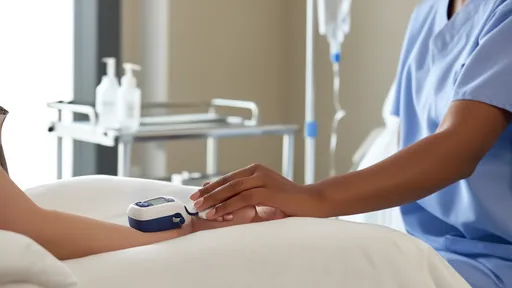
In the realm of modern health monitoring, pulse oximeters have become ubiquitous tools, providing critical insights into blood oxygen saturation levels with a simple clip of the finger. These devices, often used in both clinical settings and home environments, rely on light absorption principles to measure how much oxygen is carried in the bloodstream. However, an often-overlooked factor that can significantly interfere with the accuracy of these readings is the presence of nail polish. Whether it's a classic red, a dark burgundy, or even a subtle shimmer, that layer of color on your nails might be more than just a fashion statement—it could be a barrier to reliable health data.
The science behind pulse oximetry is fascinating yet straightforward. These devices work by emitting light from two LEDs—one red and one infrared—through the fingertip. Oxygenated hemoglobin absorbs more infrared light and allows more red light to pass through, while deoxygenated hemoglobin does the opposite. A sensor on the other side detects the amount of light that passes through, and algorithms calculate the oxygen saturation level. It's a non-invasive, quick, and generally reliable method, but it hinges on the unimpeded transmission of light. Any obstruction, such as nail polish, can alter the light path and lead to erroneous readings.
You might wonder, does all nail polish cause issues? Research and anecdotal evidence suggest that darker and more opaque shades—like blacks, blues, deep purples, and metallics—are the biggest culprits. These colors absorb more light, mimicking the behavior of deoxygenated blood and potentially causing the device to underestimate oxygen levels. Lighter shades, such as pinks or nudes, may have less impact, but even they can introduce variability. Glitters, gels, and acrylic nails add another layer of complexity, often scattering light in unpredictable ways. The risk isn't uniform, but why take a chance when health is on the line?
For individuals relying on regular oxygen monitoring, such as those with respiratory conditions like COPD, asthma, or during recovery from illnesses like COVID-19, accurate readings are not just convenient—they are essential. A false low reading might cause unnecessary anxiety or lead to overtreatment, while a falsely normal reading could mask a real problem. In clinical environments, protocols often mandate the removal of nail polish before monitoring to ensure precision. At home, where vigilance might be more relaxed, the temptation to skip this step is understandable, but the consequences could be significant.
So, what's the best practice? The unanimous advice from healthcare professionals is simple: remove nail polish from the finger being used for monitoring. It doesn't matter if you're using a fingertip device or a wearable one that clips on; clear nails are the gold standard. If you're in a situation where removal isn't immediately possible, some workarounds exist, such as switching to a different finger without polish or using an earlobe sensor if available. However, these are compromises, not equivalents. The most reliable approach is to keep at least one nail bare and use that digit consistently for readings.
The process of removal doesn't have to be a chore. Opt for acetone-free removers if you're concerned about nail health, as they are gentler but still effective. If you're someone who loves manicured nails, consider this a regular part of your health routine—much like brushing your teeth or taking medications. For those who frequent salons, communicate with your technician about having at least one nail free of polish, perhaps on a less noticeable finger. It's a small sacrifice for peace of mind.
Beyond polish, other factors can affect oximeter readings. Cold fingers, poor circulation, nail artifacts like fungal infections, and even excessive movement can skew results. Ensuring warm hands, proper placement, and stillness during measurement enhances accuracy. But among these, nail polish remains one of the most controllable variables. By addressing it proactively, you take an active step toward trustworthy health monitoring.
In conclusion, while nail polish is a fun and expressive accessory, it has no place on the finger during blood oxygen monitoring. The potential for inaccurate readings outweighs any aesthetic benefit. Whether you're a patient managing a chronic condition, a postoperative user, or simply someone keeping tabs on your wellness, prioritizing accuracy is paramount. So next time you reach for that oximeter, take a moment to check your nails. Your health data will thank you for it.

By /Aug 26, 2025

By /Aug 26, 2025
By /Aug 26, 2025
By /Aug 26, 2025

By /Aug 26, 2025
By /Aug 26, 2025

By /Aug 26, 2025

By /Aug 26, 2025

By /Aug 26, 2025
By /Aug 26, 2025

By /Aug 26, 2025

By /Aug 26, 2025

By /Aug 26, 2025

By /Aug 26, 2025

By /Aug 26, 2025

By /Aug 26, 2025

By /Aug 26, 2025

By /Aug 26, 2025
By /Aug 26, 2025

By /Aug 26, 2025