In the quiet corners of pharmacies and the hurried aisles of supermarkets, a small but crucial document accompanies every medication we purchase—the drug information leaflet. These unassuming sheets of paper hold the key to safe and effective medication use, yet their importance is often overlooked in the rush of daily life. Among the many factors that determine whether this vital information is properly absorbed, one stands out as both simple and frequently neglected: the need for adequate lighting when reading medication instructions.
The relationship between proper illumination and medication safety is more than just common sense—it's a matter of practical healthcare. When we consider that millions of medication errors occur annually, with many stemming from simple misreading of instructions, the act of turning on an extra lamp or moving to a well-lit area transforms from trivial precaution to potentially life-saving measure. The printed text on medication leaflets, often in small font with critical details about dosage, timing, and potential interactions, demands visual clarity that only sufficient lighting can provide.
Natural daylight remains the gold standard for reading medication information, providing balanced illumination that reduces eye strain and improves text clarity. The blue light spectrum present in daylight enhances contrast, making those tiny superscript numbers and decimal points more distinguishable. For those reading medication instructions in the evening or in spaces with limited natural light, a combination of general ambient lighting and focused task lighting creates the optimal environment. The recommended illumination level for reading such important materials is at least 500 lux—approximately equivalent to a well-lit office environment.
Beyond the physical aspects of readability, there's a psychological dimension to reading medication information in proper lighting. Well-lit environments promote alertness and attention to detail, both crucial when processing complex medical information. The act of consciously seeking adequate light creates a mental transition—a deliberate pause that signals the importance of the information about to be consumed. This simple ritual can mean the difference between skimming instructions and truly comprehending them.
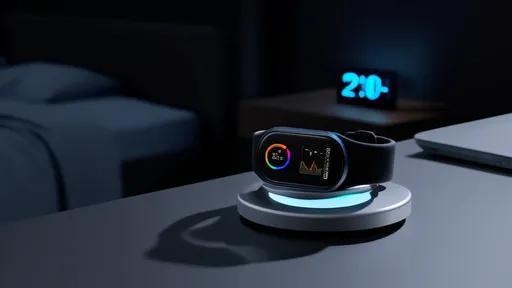
Modern life presents particular challenges to this simple safety practice. The nighttime medication routine, often conducted in dim bedroom lighting, creates perfect conditions for errors. The middle-of-the-night dose, administered in near darkness, poses even greater risks. Smart solutions include keeping a small reading light specifically for medication areas or using smartphone flashlight functions as temporary measures—though these should serve as backups rather than primary light sources.
The consequences of inadequate lighting extend beyond simple misreading of numbers. Important warnings about food interactions, alcohol restrictions, and driving precautions might be missed in poor light conditions. The subtle color-coding sometimes used on packaging becomes meaningless without proper illumination. Even the physical act of medication identification—checking that the pill matches the description in the leaflet—requires sufficient light to distinguish colors, shapes, and imprints accurately.
For the aging population, who typically take more medications and experience age-related vision changes, proper lighting becomes even more critical. The need for increased contrast and brighter illumination grows with age, making what might be adequate lighting for a young adult insufficient for an older individual. This demographic often takes multiple medications, increasing the complexity of instructions and the potential for dangerous interactions if information is misread.
Children's medications present their own unique lighting requirements. The anxiety of caring for a sick child, often during night hours, combined with precise dosing requirements for small bodies, makes proper lighting non-negotiable. The difference between milliliters and teaspoons, or between 2.5mg and 5mg, becomes monumentally important when administering medication to a child, and these distinctions can be blurred in inadequate light.
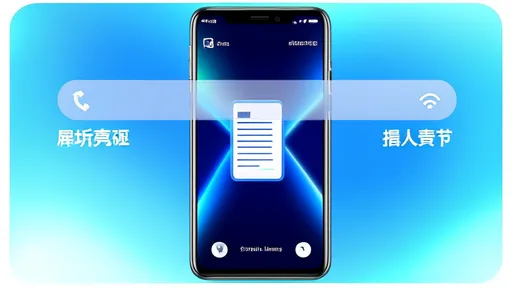
The digital age has introduced new considerations for medication information reading. While many now access medication information through smartphone apps or websites, the lighting principles remain equally important. Screen glare, blue light emission, and backlight intensity all affect readability of digital medication information. The temptation to quickly check medication details on a phone in dark environments poses similar risks to reading printed materials in poor light.
Creating a designated well-lit medication area in homes represents an ideal solution. This doesn't require extensive remodeling—simply identifying a space with good natural light during daytime hours and equipping it with adequate artificial lighting for evening use. The kitchen, often already well-lit for food preparation, frequently serves well as a medication area, with the added benefit of water availability for swallowing pills.
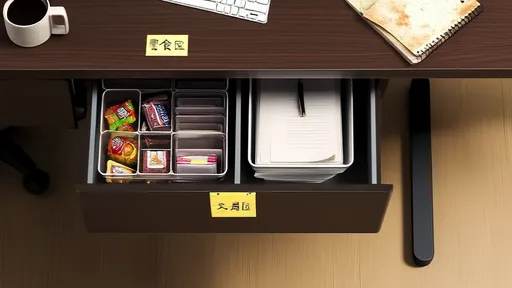
Workplace medication use introduces another dimension to the lighting question. Many people take medications during work hours, often at their desks under office lighting that may be adequate for computer work but insufficient for reading fine print. Keeping a small task light at one's workstation can solve this problem easily and inexpensively.
For those with visual impairments beyond what corrective lenses can address, specialized solutions become necessary. High-intensity lamps designed specifically for low-vision users, sometimes with magnification features, can make the difference between independence and reliance on others for medication management. These adaptive tools should be considered essential medical equipment for those with significant visual challenges.
The packaging and design of medication information itself could better accommodate varying light conditions. While regulatory requirements dictate much of the content and format, manufacturers could consider higher contrast printing, larger fonts for critical information, and better spatial organization of content to make information more accessible under less-than-ideal lighting conditions.
Healthcare providers have a role to play in emphasizing the importance of proper lighting when reading medication information. This simple advice, offered during patient consultations, could prevent numerous medication errors. Pharmacists, in particular, are well-positioned to reinforce this message during medication dispensing, making it part of their standard safety counseling.
In the broader context of health literacy, the lighting issue serves as a metaphor for how we approach medical information generally. Just as we need physical light to see written instructions clearly, we need clarity and understanding to process medical information correctly. Both forms of "illumination" are necessary for safe medication practices.
As technology advances, potential solutions emerge. Smart packaging with illuminated displays or audio instructions could eventually reduce reliance on perfect lighting conditions. However, until such innovations become widespread and affordable, the simple act of turning on adequate lights remains one of the most effective, immediate steps anyone can take to ensure medication safety.
The connection between proper lighting and medication safety exemplifies how simple environmental factors can have significant health implications. In the hierarchy of medication safety practices, reading instructions in good light may seem elementary, but its consistent application could prevent more medical errors than many realize. This unassuming precaution deserves recognition as a fundamental component of responsible medication management—a small act of illumination that sheds light on the path to better health outcomes.
By /Aug 26, 2025
By /Aug 26, 2025

By /Aug 26, 2025
By /Aug 26, 2025

By /Aug 26, 2025
By /Aug 26, 2025

By /Aug 26, 2025
By /Aug 26, 2025

By /Aug 26, 2025
By /Aug 26, 2025

By /Aug 26, 2025

By /Aug 26, 2025

By /Aug 26, 2025

By /Aug 26, 2025

By /Aug 26, 2025

By /Aug 26, 2025

By /Aug 26, 2025
By /Aug 26, 2025

By /Aug 26, 2025

By /Aug 26, 2025