In the world of frozen desserts and beverages, the persistent challenge of ice crystal formation has long plagued product developers and manufacturers alike. The quest for that perfect, velvety texture free from gritty ice particles has driven extensive research into various inhibition methods. Among the most promising approaches lies the strategic combination of alcohols, syrups, and stabilizers—a sophisticated trio working in concert to transform the freezing process and deliver superior quality to consumers.
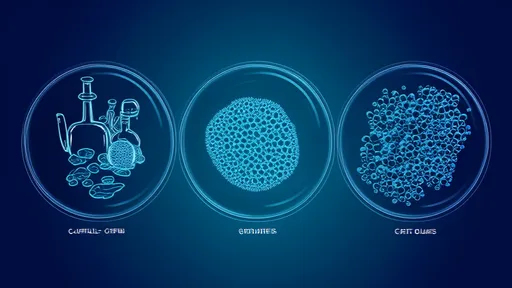
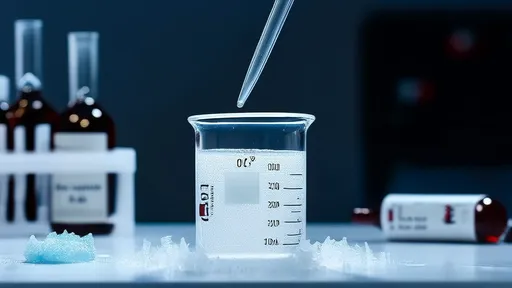
The fundamental science behind ice crystal inhibition revolves around controlling water's behavior during freezing. When pure water freezes, it forms large, distinct ice crystals that create an undesirable coarse texture. The introduction of specific compounds interferes with this process by binding water molecules, lowering the freezing point, and physically preventing the growth and aggregation of ice crystals. This is where our three key components—alcohol, syrup, and stabilizers—each play distinct yet interconnected roles in creating a harmonious system that maintains smooth consistency even under fluctuating temperature conditions.
Alcohols, particularly ethanol and polyols like glycerol and sorbitol, function as powerful freezing point depressants. Their relatively small molecules easily integrate between water molecules, disrupting the hydrogen bonding network necessary for ice formation. Ethanol, commonly used in alcoholic frozen desserts and cocktails, not only provides freezing point depression but also contributes to flavor extraction and microbial stability. Polyols offer similar benefits without the volatility or strong flavor profile of ethanol, making them ideal for non-alcoholic applications. The concentration must be carefully calibrated—too little provides insufficient protection, while too much can create undesirable softening or strong flavors that overwhelm the product's intended profile.
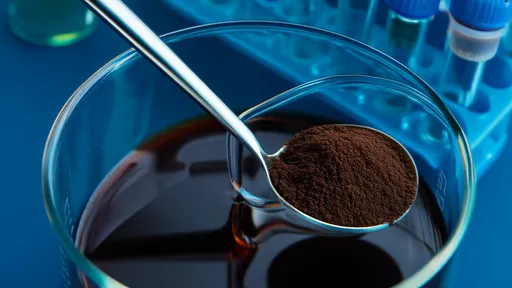
Syrups, primarily consisting of sugar solutions but increasingly including alternative sweeteners like honey, agave, or corn syrup, contribute significantly to both texture and taste. The sugar molecules work by increasing the soluble solids content, effectively reducing the amount of free water available for ice crystal formation. Different syrups offer varying degrees of sweetness, viscosity, and freezing point depression. High fructose corn syrup, for instance, provides greater freezing point depression than sucrose at equivalent concentrations, while honey brings additional complex flavors alongside its functional benefits. The choice of syrup often depends on the desired sweetness profile, cost considerations, and labeling requirements for the final product.
Stabilizers represent the third crucial component in this sophisticated system. These hydrocolloids—including guar gum, xanthan gum, carrageenan, and locust bean gum—work through physical means rather than chemical alteration of freezing points. They create a three-dimensional network within the liquid matrix, effectively trapping water molecules and preventing their migration toward growing ice crystals. This network also provides structural support to the product, preventing shrinkage and maintaining shape during storage and serving. Each stabilizer brings unique properties: xanthan gum provides excellent suspension and freeze-thaw stability, carrageenan offers smooth texture and body, while combinations often yield superior results than single stabilizer systems.
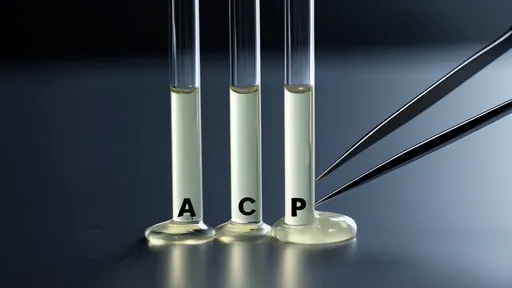
The magic truly happens when these three components are carefully balanced to work synergistically. Alcohols and syrups work on the molecular level to reduce ice crystal formation, while stabilizers provide the physical framework that maintains texture stability. The optimal ratio depends on numerous factors including the product's intended serving temperature, fat content, total solids, and desired mouthfeel. For instance, a premium ice cream might use a combination of ethanol (from flavor extracts), corn syrup, and a blend of guar and locust bean gums, while a sorbet might rely more heavily on syrup content and incorporate pectin as the primary stabilizer.
Recent advancements in this field have focused on creating more natural and clean-label solutions while maintaining effectiveness. Researchers are exploring plant-based alcohols derived from fermentation of various fruits and grains, organic syrups from alternative sweeteners like coconut nectar or maple syrup, and novel stabilizers from sources like citrus fiber or potato protein. These developments respond to growing consumer demand for recognizable ingredients while still delivering the technical performance required for quality frozen products.
The practical application of these optimized ratios extends far beyond traditional ice cream. The pharmaceutical industry employs similar principles in stabilizing frozen medications and vaccines, where crystal formation could compromise efficacy. The food service industry benefits in creating stable frozen cocktail mixes that maintain consistency during storage and service. Even plant-based meat alternatives utilize ice inhibition technology to maintain texture in frozen products, demonstrating the wide-reaching implications of this research.
Looking toward the future, the optimization of alcohol/syrup/stabilizer ratios continues to evolve with help from computational modeling and artificial intelligence. These technologies can predict interactions between components, simulate freezing behavior under different conditions, and suggest optimal formulations more efficiently than traditional trial-and-error methods. This accelerates development timelines while potentially uncovering novel combinations that might not have been discovered through conventional research approaches.
As consumer expectations continue to rise and the demand for high-quality frozen products expands globally, the refined science of ice crystal inhibition through carefully balanced alcohol, syrup, and stabilizer systems remains at the forefront of product development. The ongoing research and innovation in this field ensure that manufacturers can deliver consistently excellent textures while meeting evolving ingredient preferences and regulatory requirements. The future of frozen products looks smooth indeed, thanks to these sophisticated formulations that turn the challenge of ice crystallization into an opportunity for culinary excellence.
By /Aug 29, 2025
By /Aug 29, 2025

By /Aug 29, 2025
By /Aug 29, 2025
By /Aug 29, 2025
By /Aug 29, 2025
By /Aug 29, 2025
By /Aug 29, 2025
By /Aug 29, 2025
By /Aug 29, 2025
By /Aug 29, 2025
By /Aug 29, 2025
By /Aug 29, 2025
By /Aug 29, 2025
By /Aug 29, 2025
By /Aug 29, 2025
By /Aug 29, 2025
By /Aug 29, 2025
By /Aug 29, 2025
By /Aug 29, 2025