In the world of food science and industrial applications, the measurement and comparison of gelling agents remain a cornerstone for product development and quality control. Among the most widely used hydrocolloids, agar, carrageenan, and pectin stand out for their unique properties and versatile functionalities. A critical parameter for evaluating these substances is the Bloom value, a standardized measure of gel strength that provides invaluable insights into their performance and suitability for various applications. Understanding the Bloom values of agar, carrageenan, and pectin not only aids in selecting the right gelling agent but also in optimizing formulations to achieve desired textures, stability, and consumer appeal.
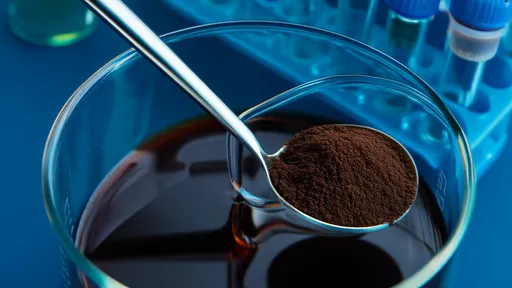
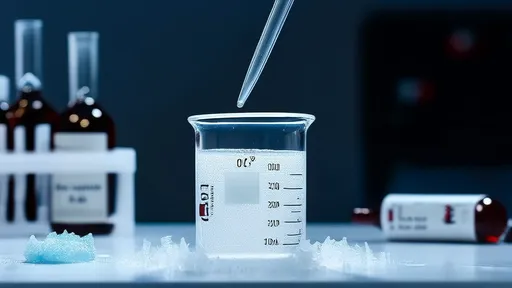
The concept of Bloom strength originated in the early 20th century, primarily for gelatin, but its application has since expanded to other gelling agents. The test involves measuring the force required to depress a standard plunger a fixed distance into a gel prepared under specific conditions. This force, expressed in Bloom grams (ºB), serves as a reliable indicator of gel firmness and elasticity. For agar, carrageenan, and pectin, Bloom values can vary significantly based on factors such as source, extraction methods, and molecular structure, making comparative analysis essential for practical use.
Agar, derived from red algae, is renowned for its high gel strength and thermal stability. Typical Bloom values for food-grade agar range from 600 to 1000 ºB, with some specialized grades exceeding this range. This high Bloom strength makes agar ideal for applications requiring firm, brittle gels that can withstand high temperatures, such as in confectionery, microbiological media, and Asian desserts. The strong gelling power of agar allows for usage at low concentrations, often between 0.5% to 2%, which is economically advantageous. However, its high melting point (around 85°C) and syneresis tendency in certain conditions are factors that must be considered in formulation.
Carrageenan, also extracted from red seaweed, exists in several forms, with kappa-carrageenan being the primary type associated with gel formation. Its Bloom strength typically ranges from 100 to 300 ºB, depending on the variety and the presence of cations like potassium or calcium. Kappa-carrageenan forms strong, rigid gels in the presence of potassium ions, making it suitable for dairy products, meat analogs, and pet food. Iota-carrageenan, with lower Bloom values, produces soft, elastic gels and is often used in applications requiring freeze-thaw stability. The versatility of carrageenan is enhanced by its synergy with other hydrocolloids, such as locust bean gum, which can significantly boost its gel strength and texture.
Pectin, a polysaccharide found in fruit cell walls, is distinguished by its dependency on pH and soluble solids for gelation. High methoxyl (HM) pectin, with a degree of esterification above 50%, requires high sugar content and low pH to form gels, with Bloom values generally between 100 and 200 ºB. It is the pectin of choice for jams, jellies, and fruit preserves, where it provides a spreadable, yet firm texture. Low methoxyl (LM) pectin, with lower esterification, gels in the presence of calcium ions and has Bloom values similar to or slightly lower than HM pectin. LM pectin is favored for low-sugar or sugar-free products, dairy desserts, and glazes, offering more flexibility in formulation without relying on high sugar concentrations.
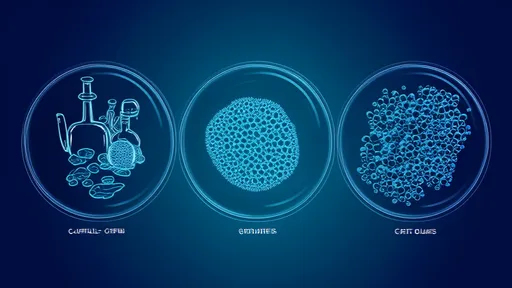
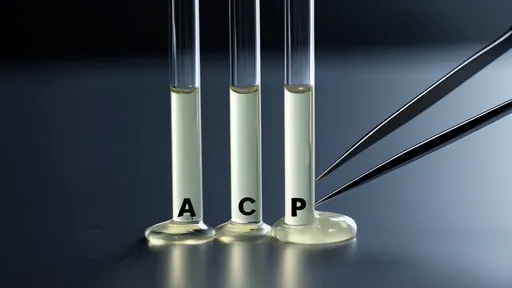
Comparing the Bloom values of these three gelling agents reveals distinct profiles that dictate their application domains. Agar's exceptionally high Bloom strength positions it as the go-to choice for products requiring thermal resistance and structural integrity. Carrageenan's moderate Bloom values, combined with its ionic sensitivity, make it highly adaptable to a wide range of food systems, particularly where specific textures and mouthfeels are desired. Pectin's Bloom strength, while generally lower, is uniquely tailored to acidified and high-solids environments, making it indispensable in the fruit processing industry.
Beyond mere numbers, the practical interpretation of Bloom values must account for synergistic effects and environmental conditions. For instance, combining carrageenan with locust bean gum can elevate its effective Bloom strength, mimicking higher-value gels at a lower cost. Similarly, the interaction of pectin with calcium ions can enhance its gel firmness beyond what standard Bloom tests might indicate. Thus, while Bloom values provide a foundational comparison, they are part of a broader matrix of factors including pH, temperature, ion availability, and co-solutes.
In industrial applications, the selection among agar, carrageenan, and pectin often hinges on a balance between Bloom strength, cost-in-use, and regulatory considerations. Agar, though expensive, is effective at low doses due to its high Bloom, making it cost-efficient for high-end products. Carrageenan offers a middle ground with good functionality at moderate costs, but its use is sometimes scrutinized due to health debates, despite general recognition as safe by major authorities. Pectin, perceived as natural and label-friendly, is favored in clean-label trends, though its Bloom strength may require higher usage levels in some cases, impacting overall cost.
Looking forward, advancements in modification technologies and blending techniques are continuously refining the Bloom characteristics of these gelling agents. Enzymatic treatments, for example, can tailor the molecular weight and branching of pectin to achieve higher Bloom values without compromising on natural appeal. Similarly, processed eucheuma seaweed (PES), a form of carrageenan, offers consistent Bloom strength with improved solubility and clarity. For agar, efforts are focused on enhancing yield and sustainability from algal sources to maintain its high Bloom performance amid growing demand.
Ultimately, the Bloom value serves as a critical, though not solitary, guide in the hydrocolloid selection process. For food technologists and product developers, understanding the comparative Bloom strengths of agar, carrageenan, and pectin enables smarter decisions that align with product goals, consumer preferences, and economic constraints. As the food industry evolves towards more complex and health-conscious formulations, the role of precise gel strength measurement will only grow in importance, driving innovation and excellence in gelled product creation.
By /Aug 29, 2025

By /Aug 29, 2025

By /Aug 29, 2025

By /Aug 29, 2025

By /Aug 29, 2025

By /Aug 29, 2025

By /Aug 29, 2025

By /Aug 29, 2025

By /Aug 29, 2025
By /Aug 29, 2025
By /Aug 29, 2025
By /Aug 29, 2025
By /Aug 29, 2025
By /Aug 29, 2025
By /Aug 29, 2025
By /Aug 29, 2025

By /Aug 29, 2025

By /Aug 29, 2025

By /Aug 29, 2025

By /Aug 29, 2025